Siberian Husky
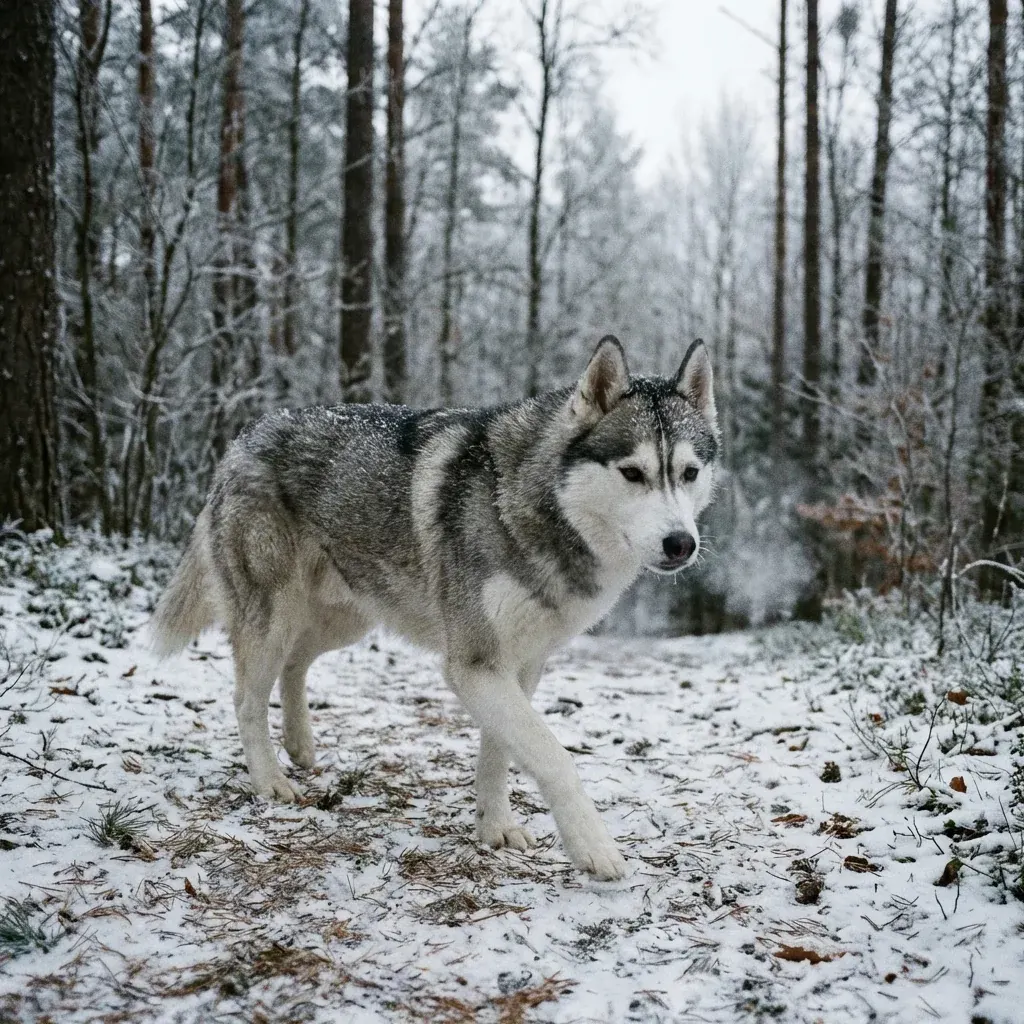
The Siberian Husky is a beautiful working dog known for its endurance, distinctive howl, and stunning blue eyes or heterochromia.
Advertisement
Overview
The Siberian Husky leaves no one indifferent. With a wolf-like appearance but friendly temperament, it is an athletic and independent breed. Born to run, it needs active owners who understand its primitive and pack-oriented nature.
Origin & History
Originally bred by the Chukchi people in northeastern Asia as endurance sled dogs. They were designed to travel long distances at moderate speeds, carrying light loads in sub-zero temperatures. Their worldwide fame came in 1925 with the “Serum Run” to Nome, Alaska, where they saved the town from a diphtheria epidemic.
Temperament & Personality
They are free spirits.
- Independence: They are not lap dogs nor do they live to please you like a Golden. They are partners, not servants.
- Dramatic: Known for their vocal “tantrums.” They howl, “talk,” and whine, but rarely bark.
- Escapists: They are the Houdinis of the canine world. They jump fences, dig tunnels, and open doors if bored.
Physical Characteristics
- Eyes: Can be blue, brown, one of each color (heterochromia), or even parti-colored.
- Coat: Very dense double coat that insulates them from cold… and heat (never shave a Husky!).
- Tail: Brush-like, which they use to cover their nose when sleeping in the snow.
Puppy Stage
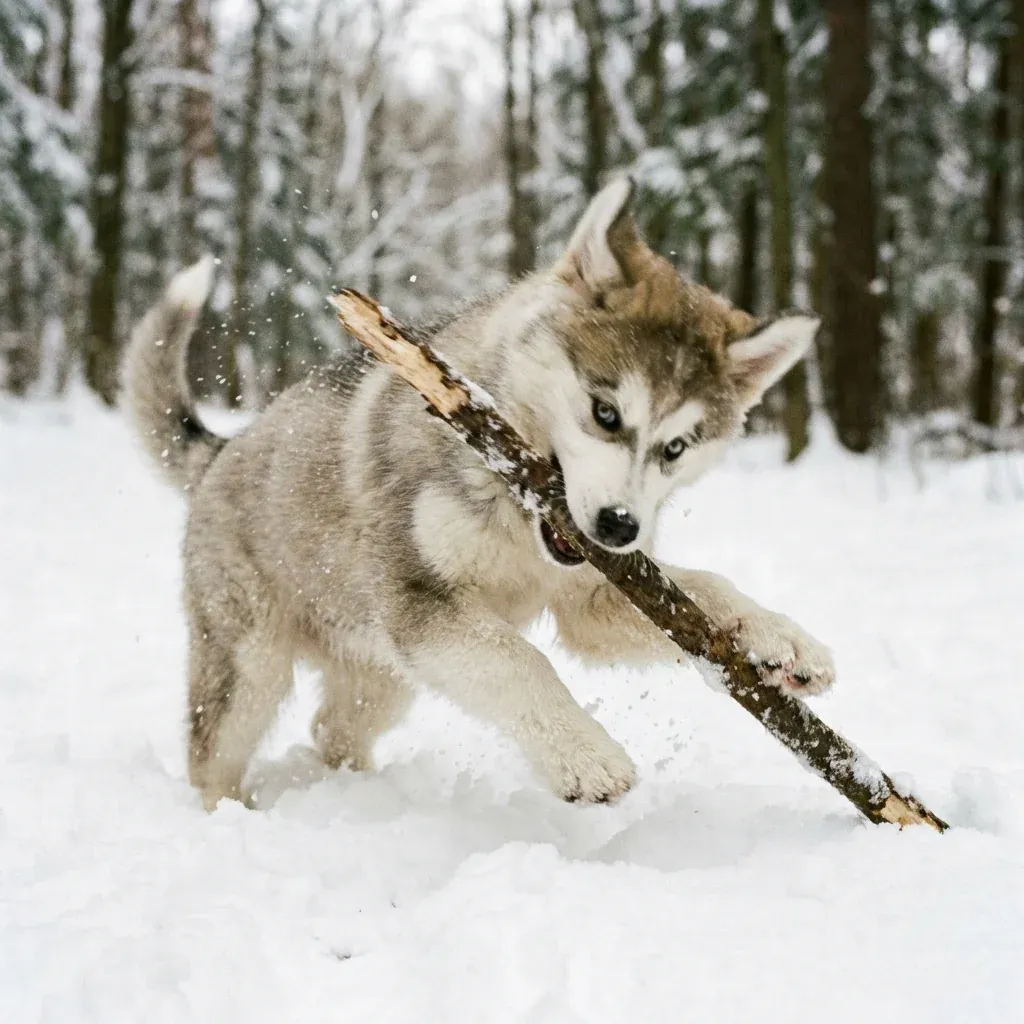
They look like teddy bears, but are whirlwinds of energy.
- Destructive: A bored Husky puppy can destroy a sofa in minutes. Mental and physical exercise is vital.
- Training: Must start on day one. They require firmness and consistency, as they will constantly test your limits.
Adult Stage
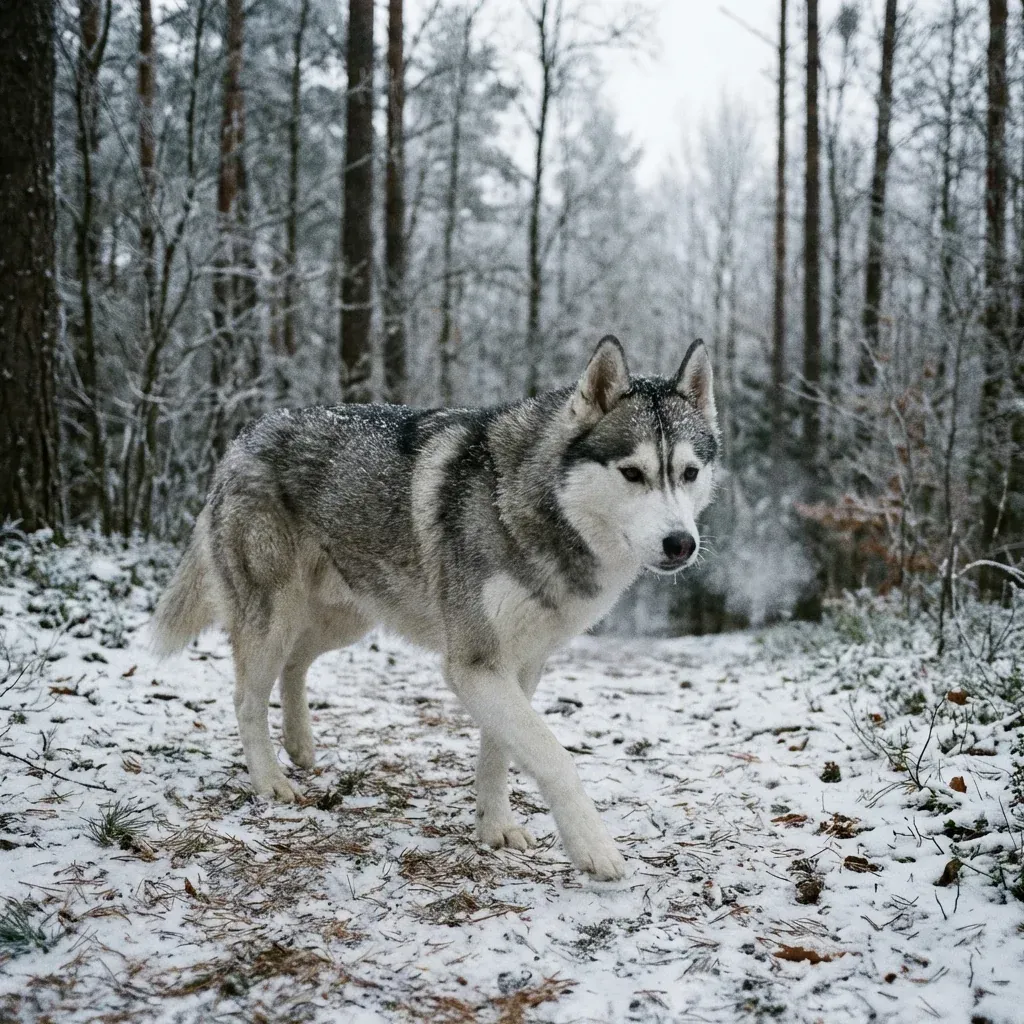
An adult Husky is a tireless athlete.
- Exercise: They need to run. Walking is usually not enough. Canicross, bikejoring, or long hikes are ideal.
- Prey Drive: They have a high prey drive. Be careful with cats, rabbits, or small dogs if they haven’t been raised together.
Health & Care
A very healthy breed, with few serious genetic problems.
- Eyes: Juvenile cataracts and progressive retinal atrophy.
- Heat: They are very sensitive to high temperatures. Avoid exercise during the hottest hours of summer.
Needs & Routines
- Brushing: Daily. During shedding season, prepare to remove bags of fur.
- Leash: It is NEVER recommended to walk them off-leash in unfenced areas. Their desire to run is stronger than their recall.
Advertisement