German Shepherd
The German Shepherd is a versatile working dog, known for its intelligence, loyalty, and courage. A top choice for families and service alike.
Advertisement
Overview
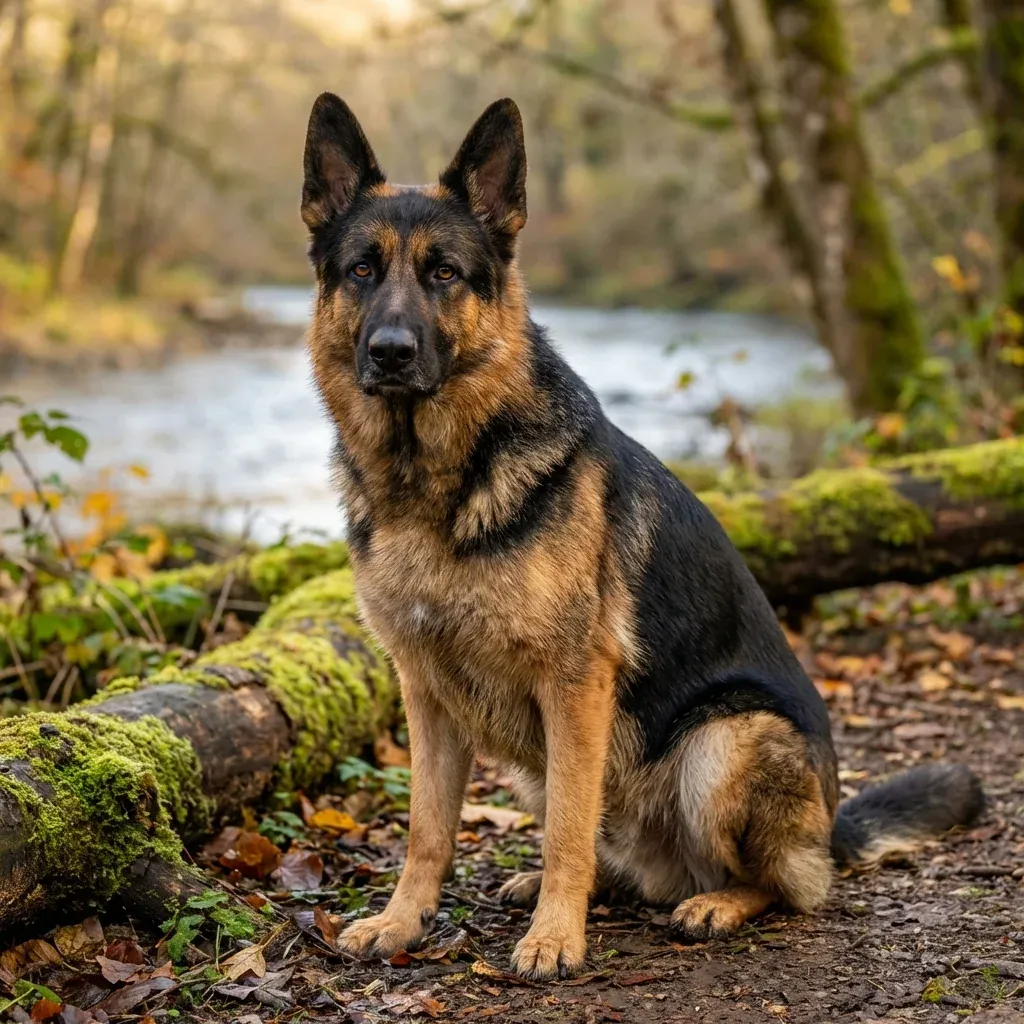
The German Shepherd is one of the most popular and recognizable dog breeds in the world. Famous for its intelligence, loyalty, and versatility, this working dog excels in almost any task, from police service to being a devoted family companion. Its noble silhouette and alert gaze are unmistakable.
Origin & History
The breed was developed in Germany in the late 19th century by Captain Max von Stephanitz, who sought to create the ideal working dog. By crossing various local herding dogs, he succeeded in standardizing a breed superior in intelligence, obedience, and physical capability. Originally intended for sheep herding, their utility quickly expanded to military and police work during the world wars.
Temperament & Personality
The German Shepherd is known for its balanced and confident character. It is not a dog that gives its affection to just anyone, but once you are part of its “pack,” its loyalty is absolute. They are:
- Intelligent: They learn new commands with amazing speed.
- Protective: They have a natural guarding instinct, making them excellent watchdogs.
- Hardworking: They need to have a “job” or task to feel fulfilled.
Physical Characteristics
It is a dog with an elongated, strong, and muscular body.
- Height: 60-65 cm at the withers (males), 55-60 cm (females).
- Weight: 30-40 kg (males), 22-32 kg (females).
- Lifespan: 9 to 13 years.
- Coat: Double coat, dense and harsh. The most common color is black and tan, but sable and solid black variants exist.
Puppy Stage
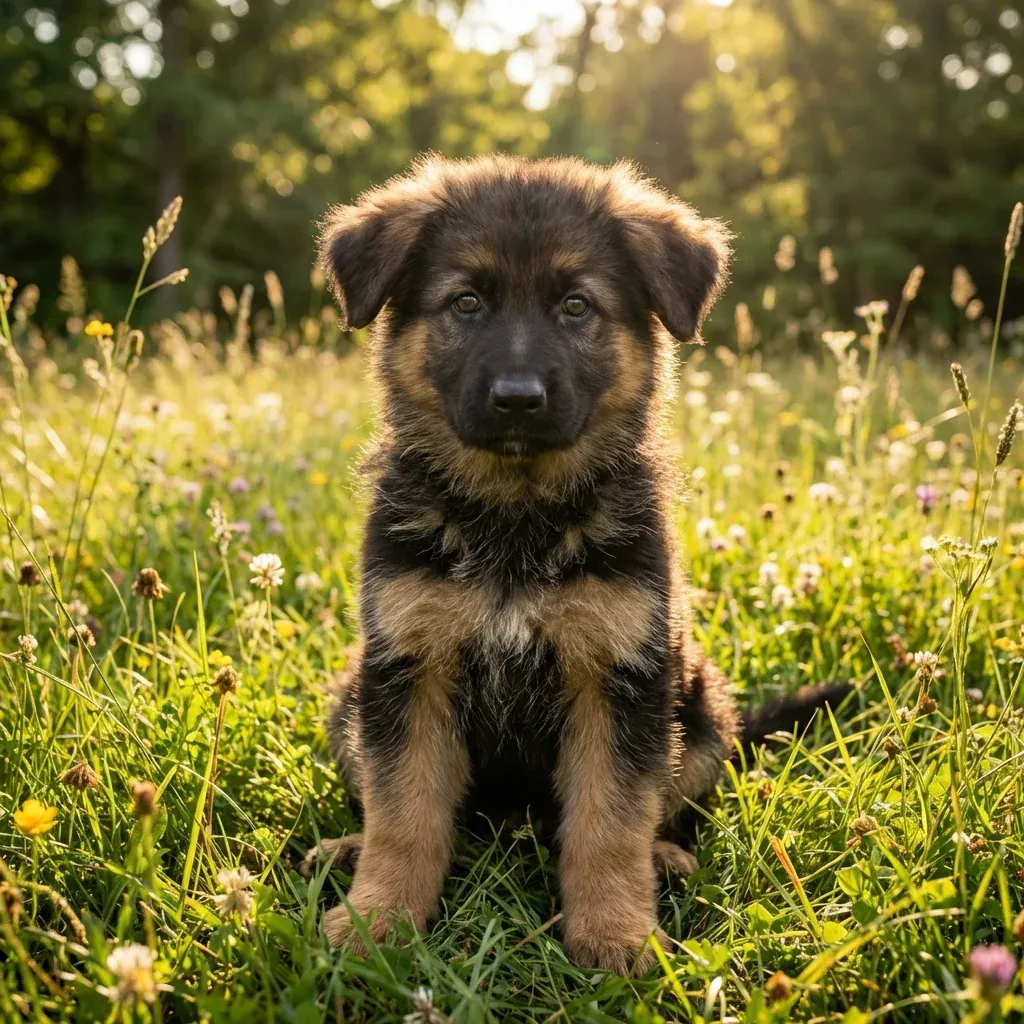
German Shepherd puppies are curious and very mouthy. They explore the world with their mouths, so the teething stage can be intense.
- Special Needs: Early socialization is critical to prevent their protective instinct from becoming overprotective or aggressive. They must be exposed to different people, noises, and environments in a positive way.
- Growth: Their ears may take a few weeks to stand up completely, going through a “cute” phase where one or both may be floppy.
Adult Stage
In maturity, the German Shepherd is a majestic and athletic dog. It requires daily mental and physical stimulation.
- Routines: They need long walks, playtime (they love frisbees and balls), and continuous obedience training.
- Living Together: They are excellent with family children if raised together, often acting as a vigilant “nanny.”
Health & Care
It is a robust breed, but indiscriminate breeding has led to certain genetic problems:
- Hip and Elbow Dysplasia: It is vital to acquire puppies from breeders who certify the joint health of the parents.
- Degenerative Myelopathy: A progressive neurological disease.
- Digestive Problems: They can have sensitive stomachs.
Needs & Routines
- Feeding: High-end kibble formulated for large and active breeds. Avoid exercise right after eating to prevent gastric torsion.
- Grooming: Frequent brushing, especially during shedding seasons (spring and autumn) where they lose a lot of hair.
- Exercise: Minimum 2 hours of varied activity per day. Boredom in a German Shepherd usually leads to excessive barking or destruction.
Advertisement