Dachshund
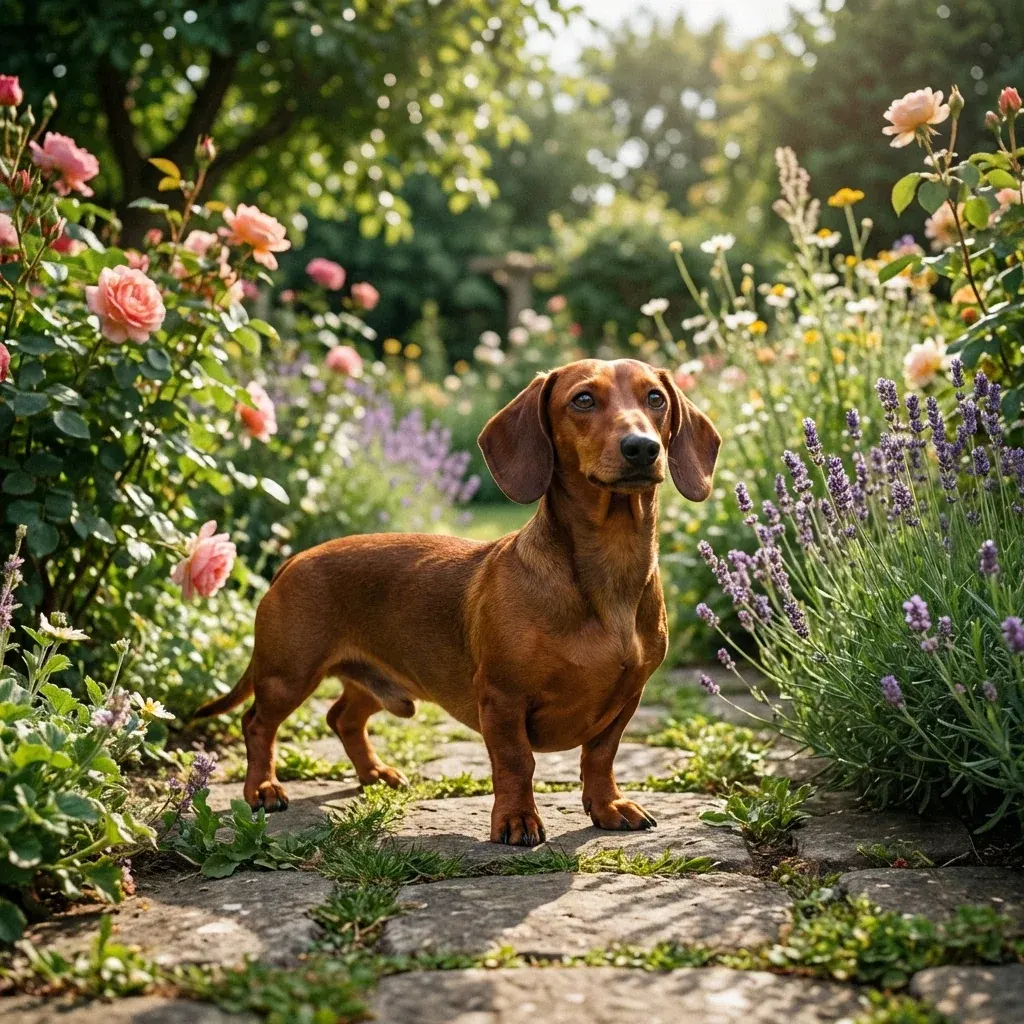
The Dachshund, or "sausage dog," is a small hunter with a big personality. Brave, curious, and comical, it is an unforgettable companion.
Advertisement
Overview
The Dachshund, famously known as the sausage dog, is unmistakable. But it’s not just a cute face and a long body; it is a tenacious hunter bred to enter burrows and face badgers. Today it is one of the most popular companion dogs for its fun and affectionate character.
Origin & History
Created in Germany hundreds of years ago, its elongated shape and short legs are not an accident: they are functional design for digging and entering narrow tunnels. “Dachshund” literally means “badger dog.”
Temperament & Personality
They are big dogs in small bodies.
- Bravery: Sometimes they forget their size and can challenge much larger dogs.
- Stubbornness: They have their own ideas about what to do. Training requires patience and positive reinforcement.
- Affectionate: They love to snuggle under blankets with their owners.
Physical Characteristics
There are three sizes (Standard, Miniature, and Rabbit/Kaninchen) and three coat types (Smooth, Wirehaired, and Longhaired).
- Body: Low, long, and compact. Powerful musculature.
- Head: Elongated with an alert and friendly expression.
- Lifespan: Very long-lived, often exceeding 15 years.
Puppy Stage
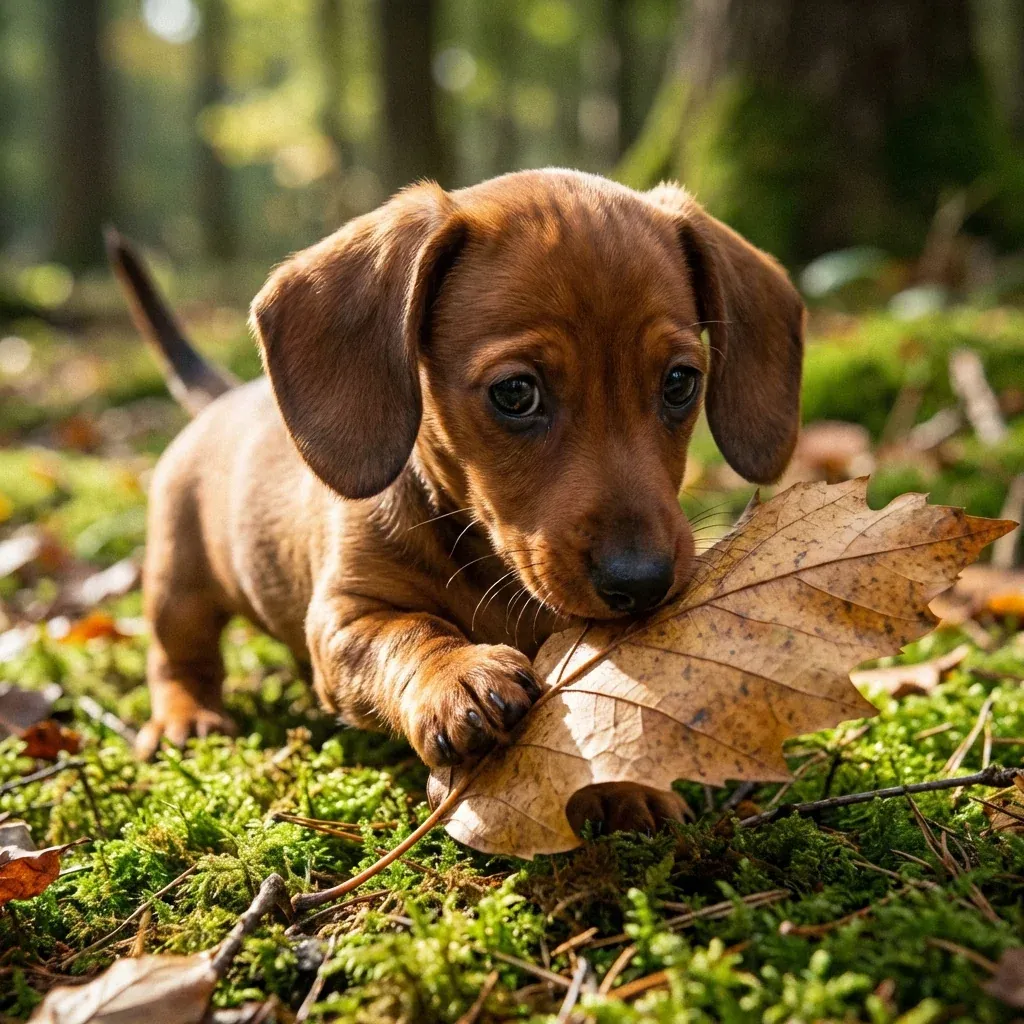
Dachshund puppies are adorable but notoriously difficult to potty train.
- Socialization: Important so they don’t become fearful or excessive barkers.
- Spine: From a young age, they (and the family) must be taught not to jump from sofas or beds, and to be picked up supporting their back well.
Adult Stage
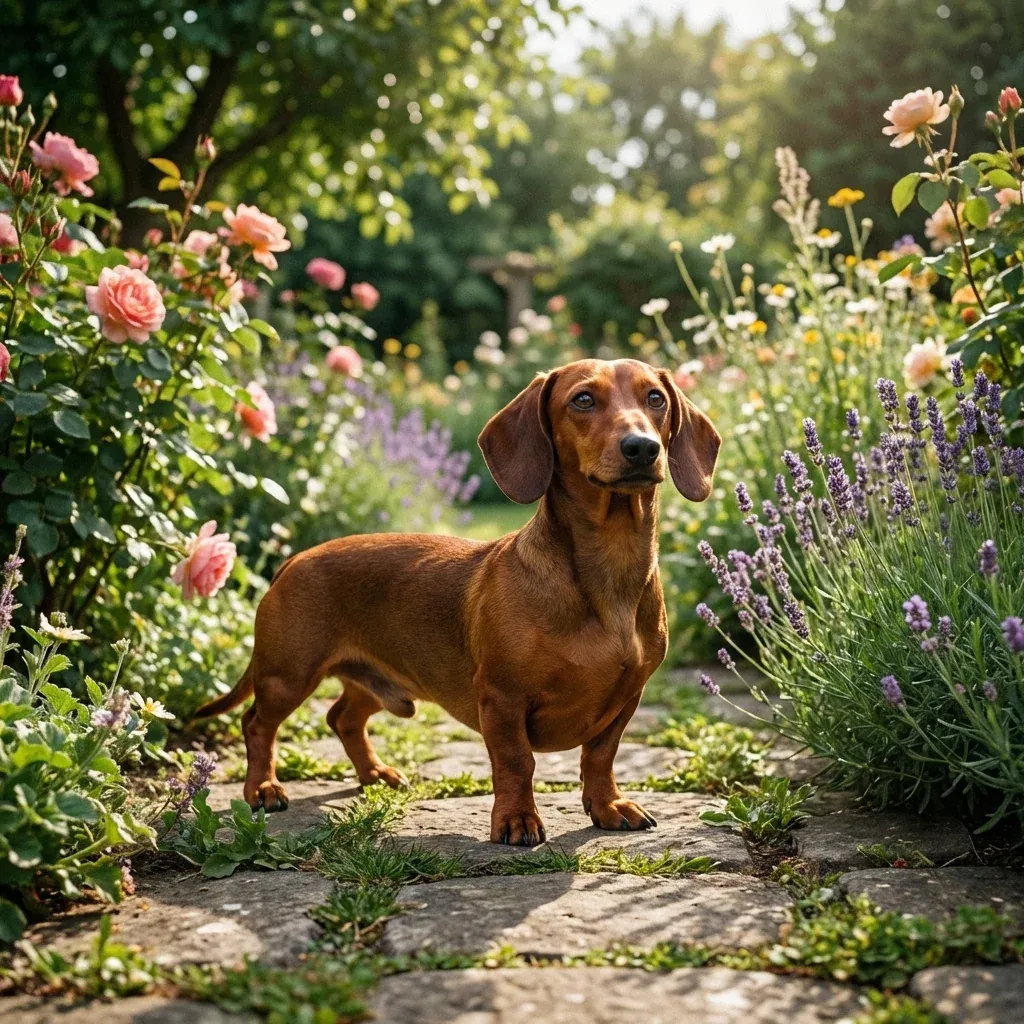
- Exercise: They need to walk to keep their back muscles strong, but avoiding jumps and impacts.
- Scent: They love to track. Scent games tire them mentally more than running.
Health & Care
Their weak point is their back.
- IVDD (Intervertebral Disc Disease): It is critical to keep them at a healthy weight and avoid constant stair climbing or jumping.
- Obesity: They gain weight easily, which worsens back problems.
Needs & Routines
- Feeding: Strict control of portions.
- Grooming: Depends on the coat. Smooth is “wash and wear.” Wirehaired requires hand-stripping, and longhaired requires frequent brushing.
- Ramps: Installing ramps is recommended so they can get on the sofa or bed without jumping.
Advertisement