Catalan Sheepdog
The Catalan Sheepdog (Gos d'Atura) is a loyal, hardworking, and shaggy breed from the Pyrenees. An excellent herder and faithful family companion.
Advertisement
Overview
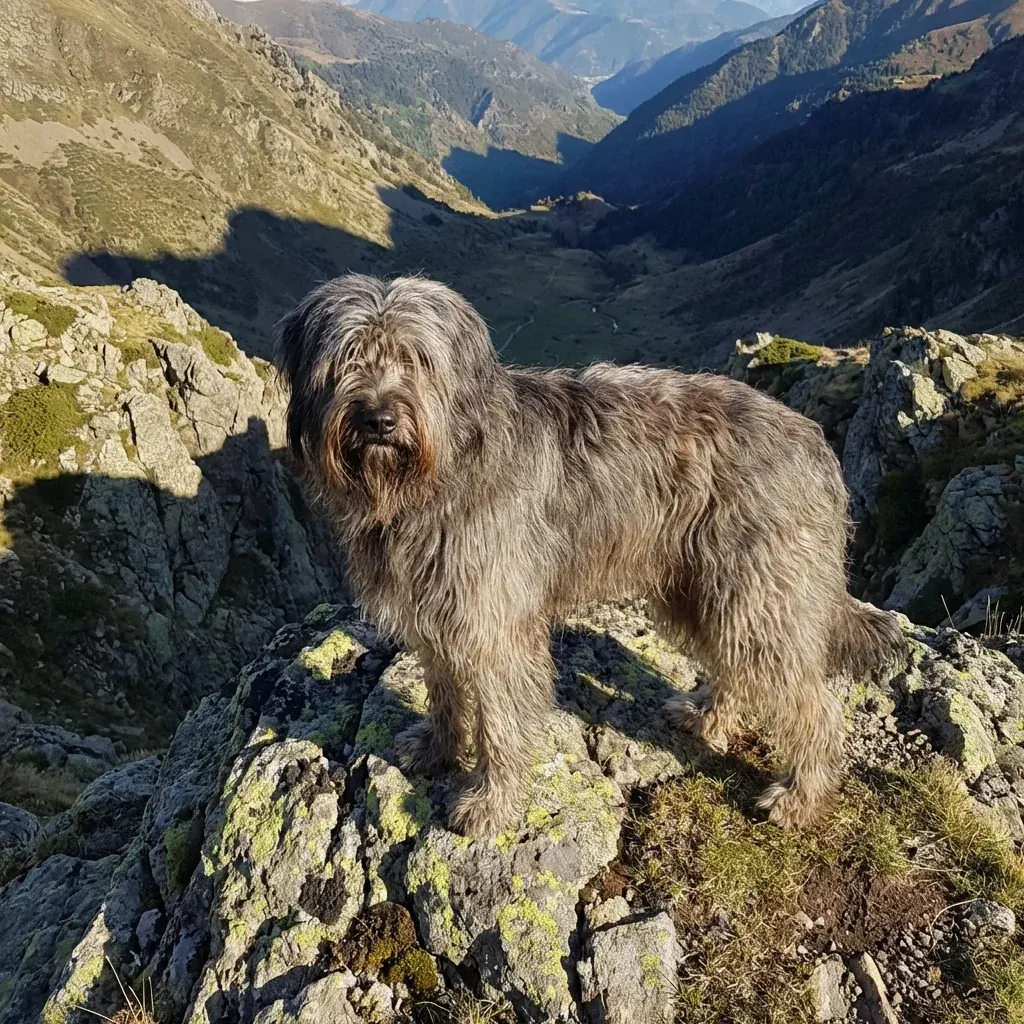
The Catalan Sheepdog, or Gos d’Atura Català, is a gem from the Pyrenees. Beneath its rustic and shaggy appearance lies a dog of exceptional intelligence, capable of directing large flocks with minimal instruction. As a pet, it is a devoted companion that adores its family but maintains a protective watch.
Origin & History
Originating from the Catalan Pyrenees, this breed developed to work in difficult terrain and variable climates. Its main function was driving and protecting flocks. During the Spanish Civil War, they acted as messengers and sentries. The breed was close to extinction in the 1970s, but thanks to passionate breeders, it recovered.
Temperament & Personality
It is a dog with a lot of personality.
- Loyalty: Creates a very strong bond with its “shepherd” (primary owner).
- Intelligence: Solves problems on its own. Sometimes may seem stubborn if it doesn’t see the logic of a command.
- Reserved: Can be distant with strangers at first, a typical watchdog trait, but should never be aggressive without cause.
Physical Characteristics
Medium-sized, well-balanced, and covered in long hair.
- Height: 18-21 inches (47-55 cm) for males, 17-20 inches (45-53 cm) for females.
- Weight: 40-55 lbs (18-25 kg).
- Coat: Long, flat, or slightly wavy. They have a beard, mustache, and tuft covering the eyes. They molt in two phases (first the front half, then the back)!
Puppy Stage
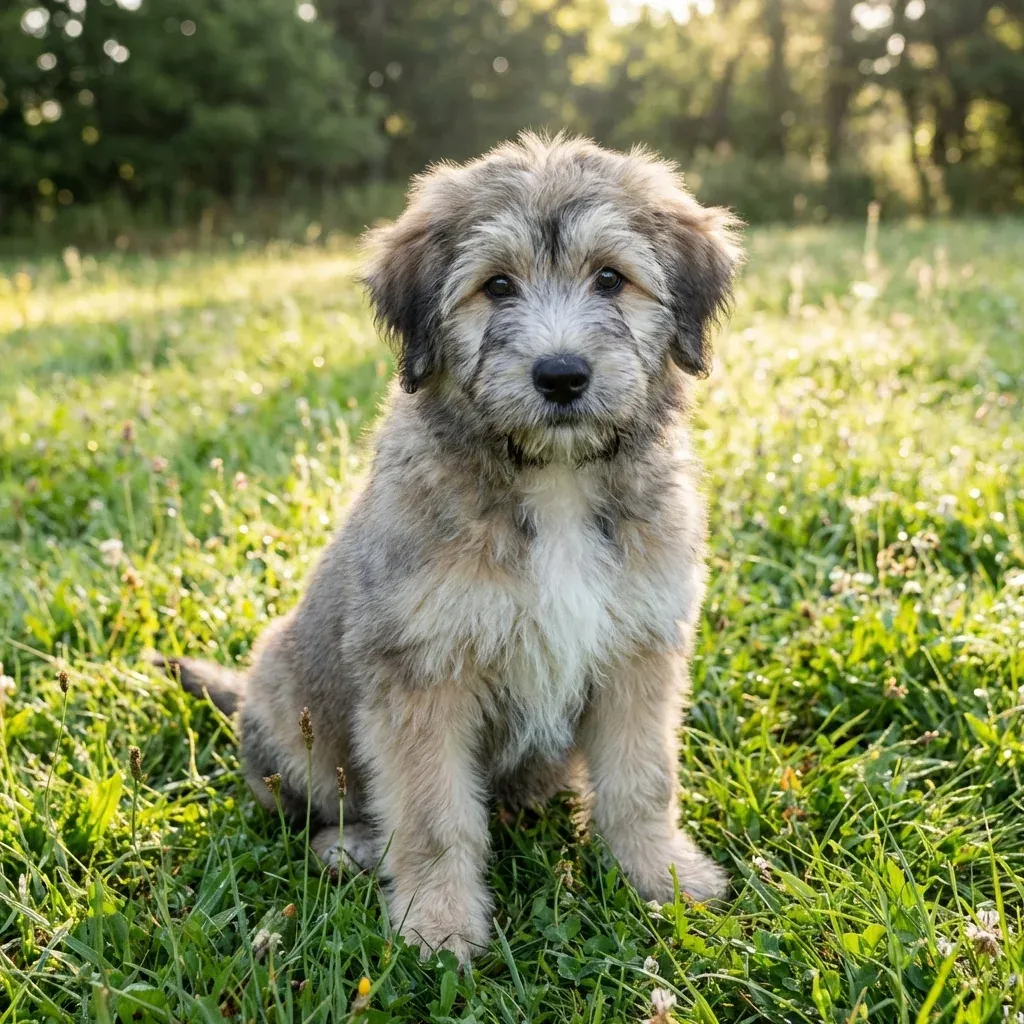
Puppies are living teddy bears, but very active.
- Socialization: It is crucial to socialize them from a young age to mitigate their reserved nature with strangers.
- Nipping: As herding dogs, they may try to “herd” children or heels by nipping. This behavior must be redirected.
Adult Stage
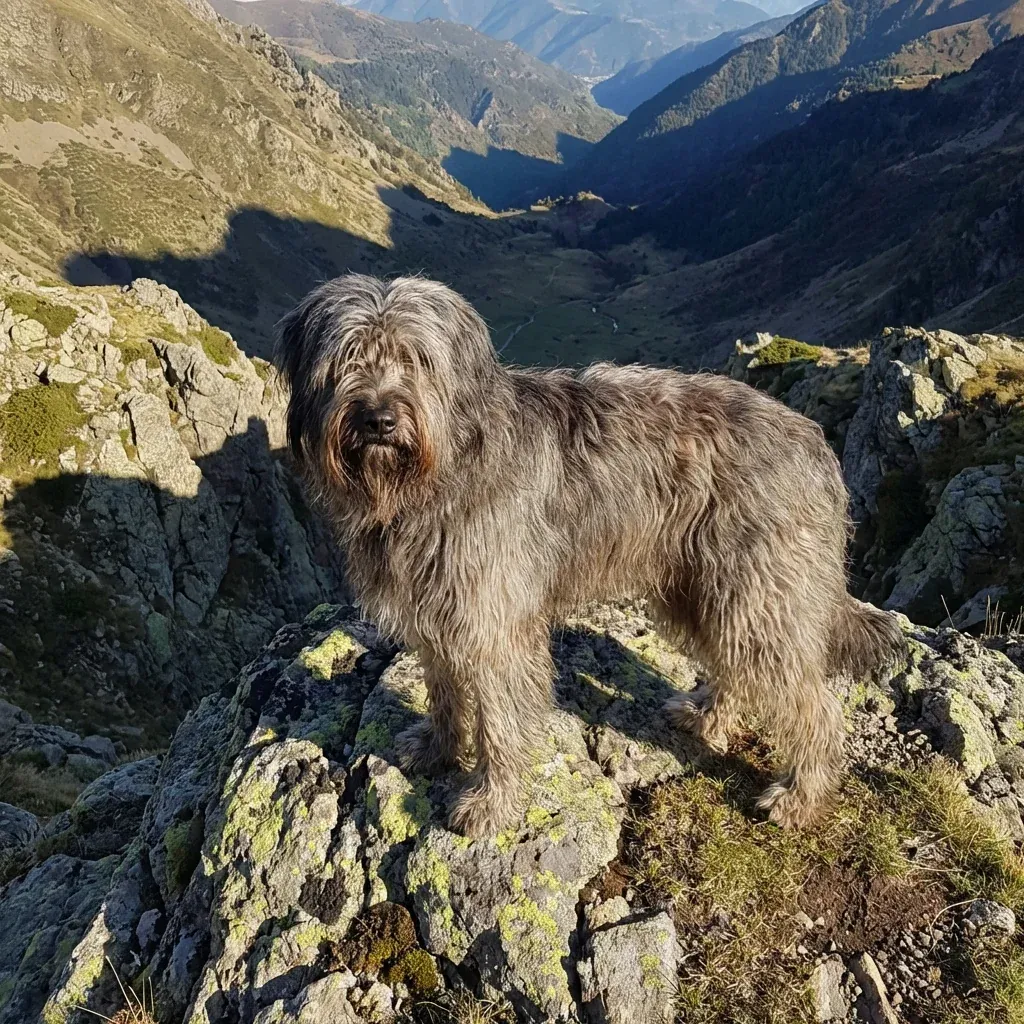
An adult is a rustic and hardy dog.
- Exercise: They need physical and mental activity. Agility is an excellent sport for them.
- Family: They are very patient with the children of the house, whom they consider part of their flock to protect.
Health & Care
A very healthy and rustic breed.
- Hips: Watch for hip dysplasia, common in medium/large dogs.
- Coat: Requires weekly brushing to avoid mats, especially behind the ears and on the legs.
Needs & Routines
- Feeding: Balanced diet. They are good eaters.
- Grooming: Baths only when necessary. Regular brushing is more important.
- Environment: They adapt to apartments if exercised, but are happiest in houses with gardens or in the country.
Advertisement