Affenpinscher
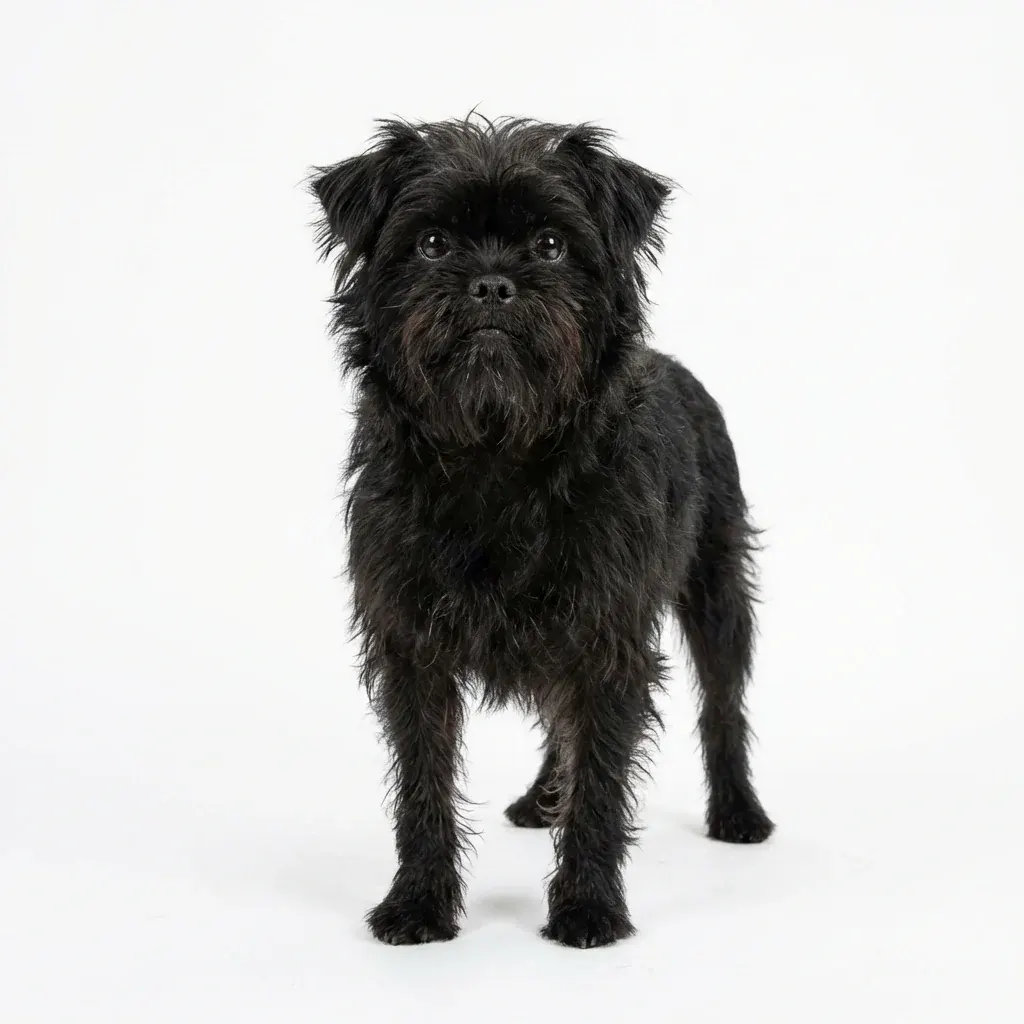
The Affenpinscher, also known as the "Monkey Dog", is a small but feisty toy breed. Full of spunk and bold personality, they are fearless and entertaining companions.
Advertisement
Overview
The Affenpinscher is a toy dog with a terrier-like personality. They are often called “Monkey Dogs” because of their ape-like faces and impish nature. Don’t let their small size fool you; they are bold, inquisitive, and completely fearless. They make excellent watchdogs and loyal companions for those who appreciate a dog with character.
Origin & History
Originating in Germany, the Affenpinscher dates back to the 17th century. Their name literally translates to “Monkey Terrier”. Originally bred to be ratters in kitchens, granaries, and stables, they eventually moved up in the world to become ladies’ companions. They contributed to the development of other breeds, including the Miniature Schnauzer and the Brussels Griffon.
Temperament & Personality
They are known for being amusing and confident.
- Bold: They have no concept of their small size and will stand up to much larger dogs.
- Curious: Always investigating something, they are busy little dogs.
- Stubborn: Typical of terrier types, they can be willful and require patient training.
- Affectionate: While independent, they are deeply loyal to their humans.
Physical Characteristics
A sturdy, compact dog with a neat but shaggy appearance.
- Face: The defining feature is the monkey-like expression with a prominent chin and mustache.
- Coat: Harsh and rough coat, typically black, but can be gray, silver, red, or black and tan. Needs regular brushing to prevent mats.
Puppy Stage
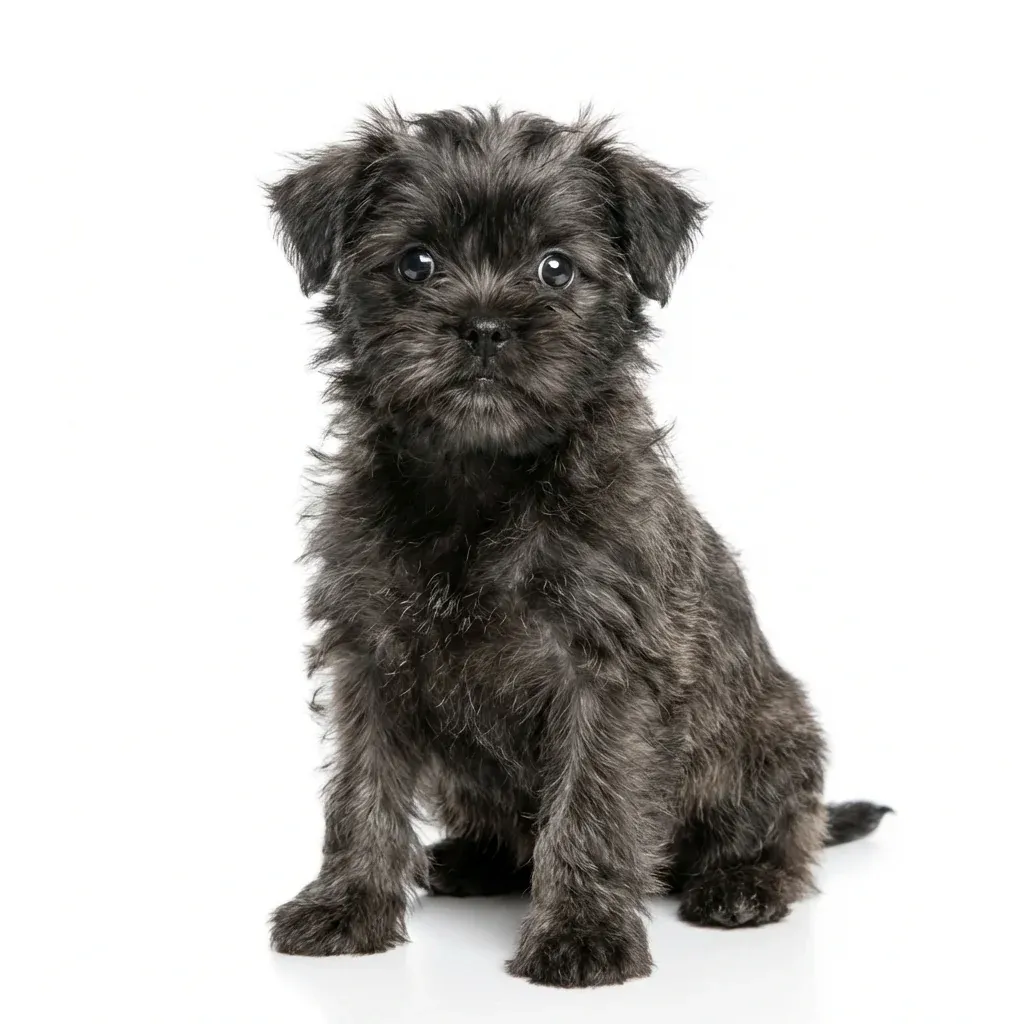
Affenpinscher puppies are tiny bundles of energy and mischief.
- Socialization: Crucial to expose them to various people and sounds early so they don’t become overly suspicious.
- Fragility: While sturdy for a toy breed, puppies are small and should be handled with care.
Adult Stage
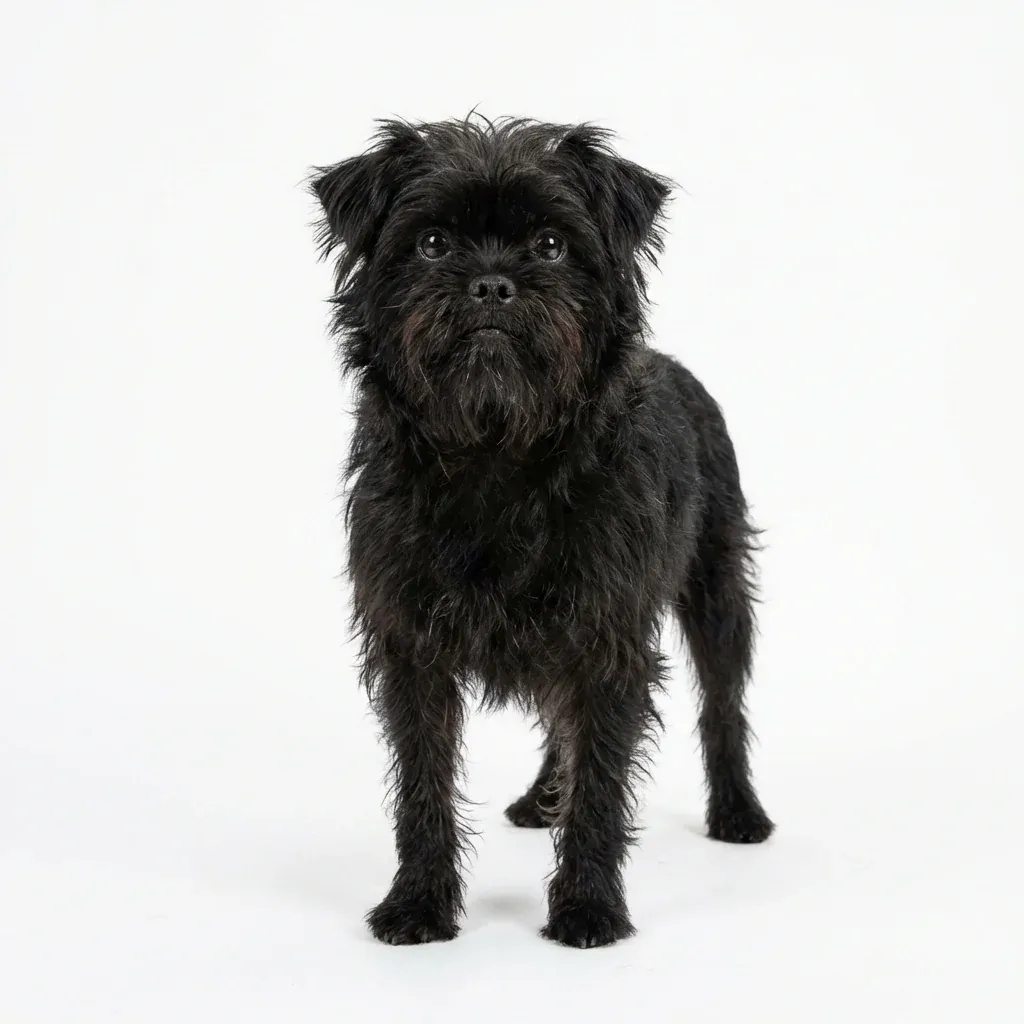
- Activity: They enjoy walks and play but don’t require marathon runs. A good game of fetch or a brisk walk satisfies them.
- Companionship: They thrive on being part of the family and don’t like being left alone for long periods.
Health & Care
Generally a healthy breed, but with some considerations.
- Patellar Luxation: Knee caps can sometimes slip out of place.
- Hip Dysplasia: Can occur, though less common than in larger breeds.
- Heart Issues: Regular vet check-ups are important to monitor heart health.
Needs & Routines
- Grooming: Their rough coat needs stripping or clipping a few times a year, plus weekly brushing.
- Training: Keep sessions short and fun. They get bored easily and respond best to positive reinforcement.
Advertisement
Best Gear for Affenpinschers
Discover the top-rated harnesses, beds, and toys specifically recommended for this breed.
View Buying Guide